


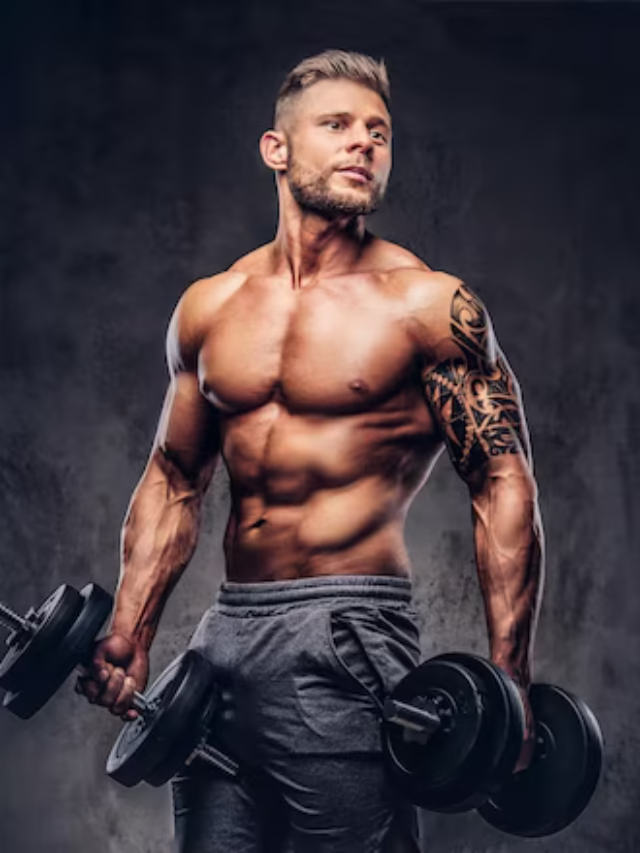

Why seniors should exercise
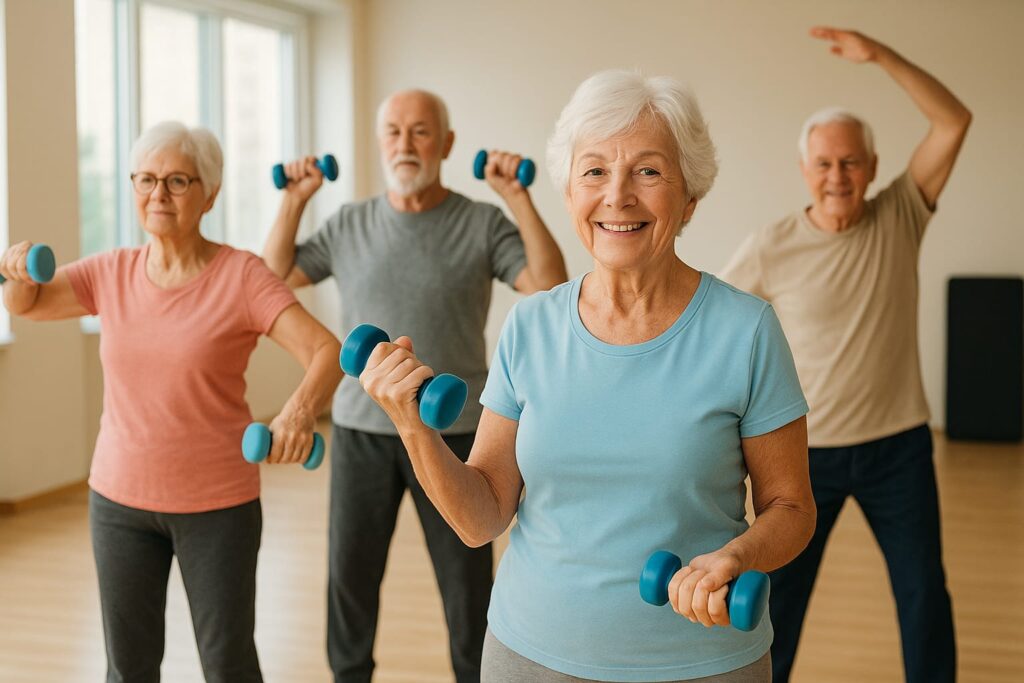
Here you will Know ” Exercise for seniors “
With increasing age, the flexibility and strength of the muscles of our body naturally start reducing, which makes daily tasks difficult for them. But Regular exercise helps seniors maintain independence by keeping their muscles strong, joints flexible, and balance steady. Even simple activities like walking, starching or exercising sitting on a chair can be made everyday activities like climbing stairs or washing light laundry items very easy and safe.
Exercise is one of the best natural medicines for seniors. It lowers the risk of heart disease, diabetes, and high blood pressure. Just a little movement every day can go a long way in protecting long-term health.
Benefits of Staying Active in Older Age
The biggest benefits for seniors to exercise is simple: it makes life more enjoyable. Being active means more energy to play with grandchildren, travel, pursue hobbies, and stay engaged in the community. It also supports heart health by lowering blood pressure and cholesterol, keeping weight in check, and boosting immunity to fight off illnesses.
Exercise helps seniors not just live longer, but live better.
Better Mood
Staying active in older age is a natural mood booster. When seniors exercise, the body releases endorphins—chemicals that help reduce stress and bring a sense of happiness. Regular movement also lowers anxiety and feelings of depression, making it easier to stay positive. Simple activities like walking, yoga, or dancing not only lift the spirit but also create opportunities for social interaction, which helps fight loneliness.
Exercise for Seniors
Here are the names of some exercises.
1. Neck stretches
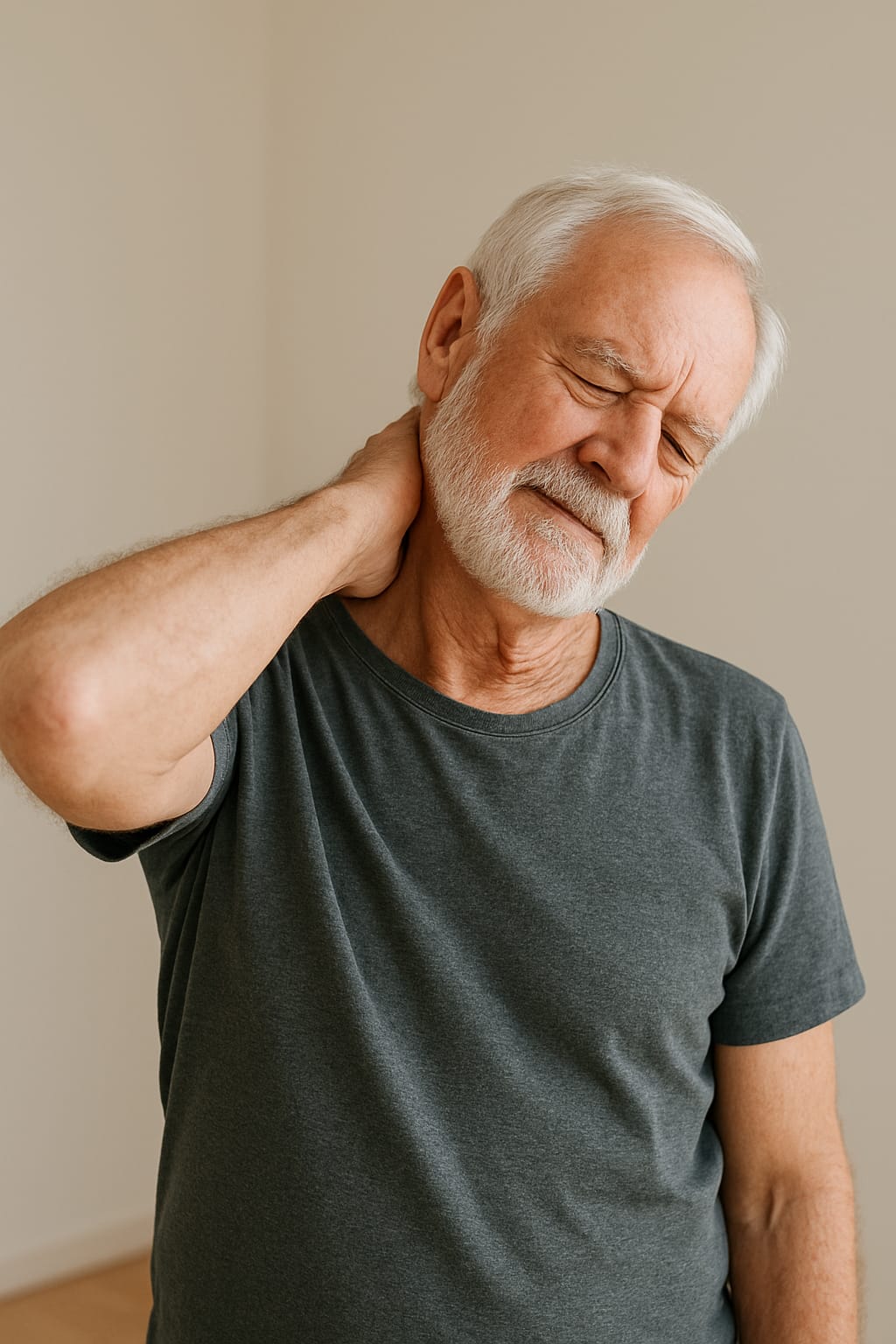
Neck stretches can help relieve pain and stiffness, improve flexibility, and even prevent future neck problems
Regular stretching can also improve blood flow and reduce headaches.
How to Do Neck Stretches
- Sit or stand straight – Keep your back straight and shoulders relaxed.
- Slowly bend your head to the right side (bring your ear toward your shoulder). Hold for 15–20 seconds. Do the same on the left side.
Forward Stretch – Gently lower your chin down toward your chest. Hold for 15 seconds, then slowly bring your head back up.
- Backward Stretch – Slowly look upward, tilting your head back. Hold for 10–15 seconds.
Do each stretch 2–3 times.
2. Shoulder rolls
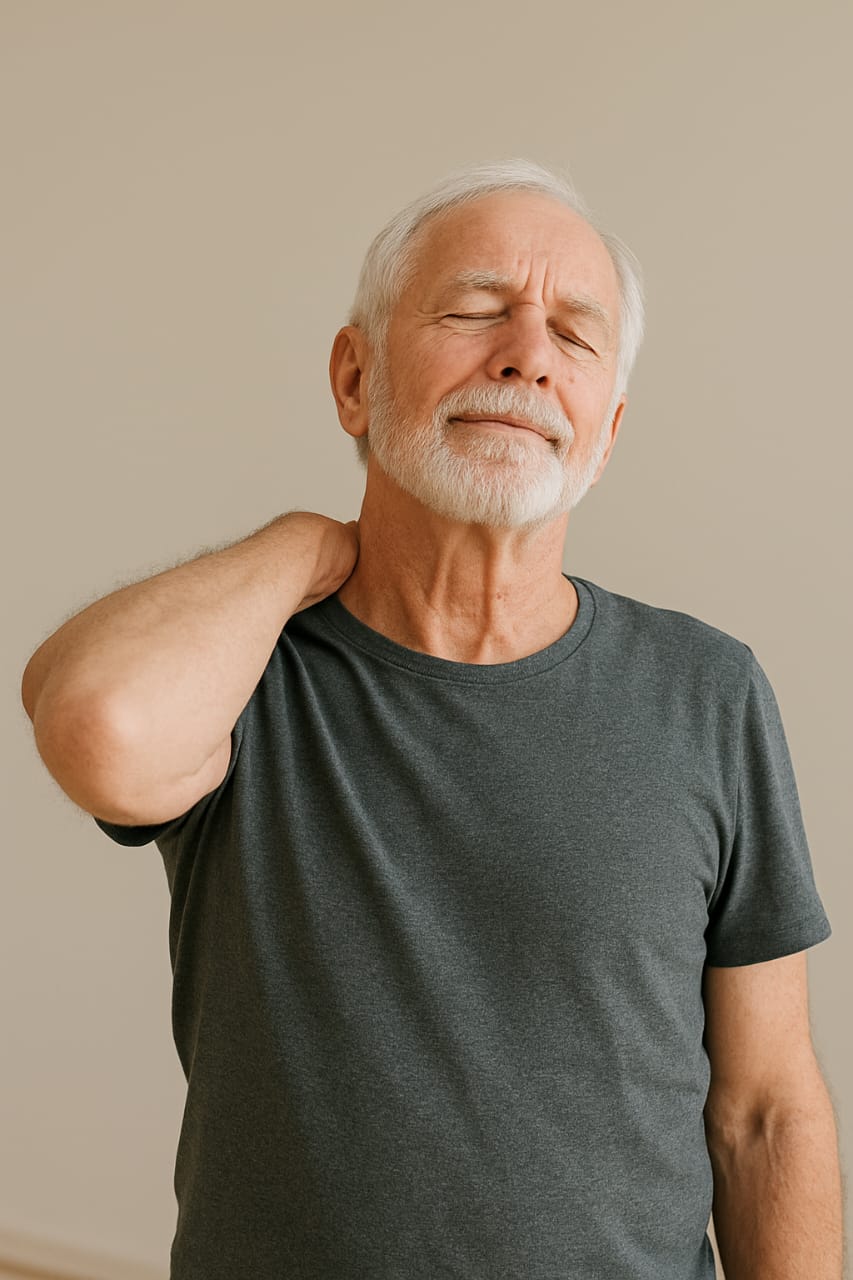
Shoulder rolls are a simple yet highly effective exercise that helps release tension from the shoulders, neck, and upper back. They improve blood circulation, reduce stiffness caused by long hours of sitting or working on a computer, and promote better posture.
How to do
Sit or stand straight with your back upright.
Keep your arms relaxed by your sides.
Slowly roll both shoulders forward in a circular motion.
Make 8–10 slow circles.
Now roll your shoulders backward in the same way.
Repeat the movement 2–3 times.
3. Chair squats
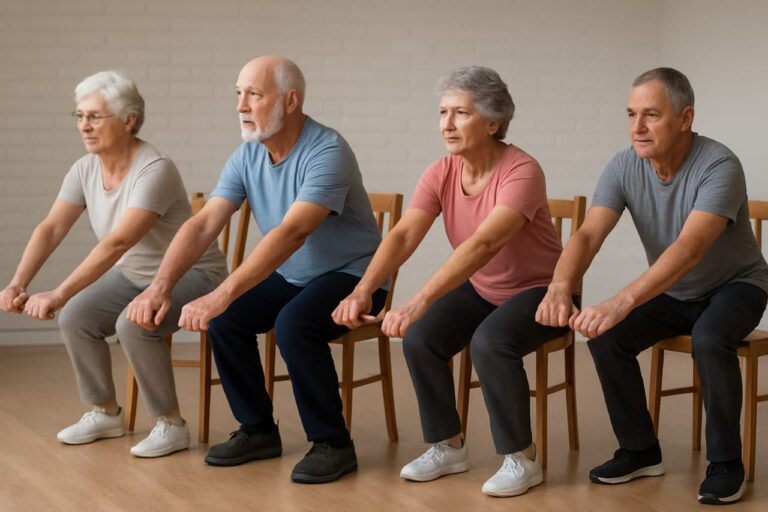
Chair squats are a safe and effective exercise that strengthens the thighs, hips, and glutes while also improving balance and mobility. They are especially good for beginners and seniors, as the chair provides support and prevents the risk of falling.
How to do
Stand in front of a chair with your feet shoulder-width apart.
Keep your back straight and your arms stretched out in front for balance.
Slowly bend your knees and lower your hips as if you are going to sit on the chair.
Lightly touch the chair with your hips (do not sit fully).
Push through your heels and stand back up to the starting position.
Repeat this movement 8–12 times.
4. Heel - to - toe walk
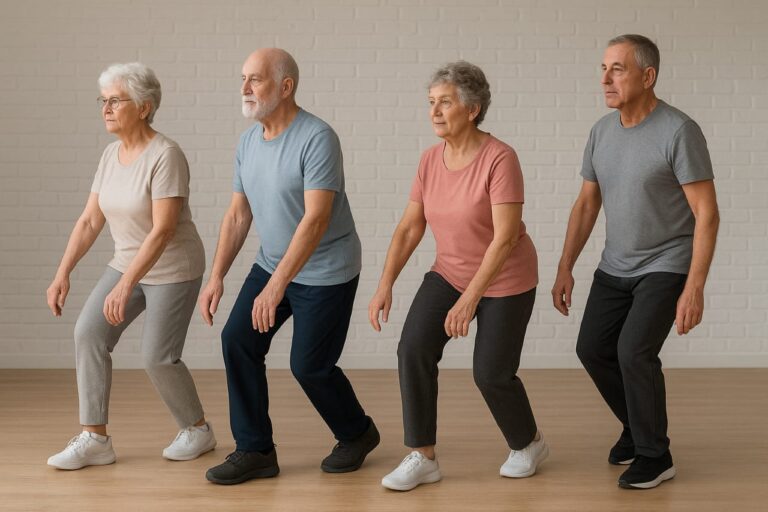
Heel-to-toe walk is a simple balance exercise that strengthens the legs, improves coordination, and reduces the risk of falls. It trains your body to stay steady while moving and enhances focus and stability, which is especially beneficial for seniors.
How to do
Stand straight with your arms relaxed at your sides.
Place your right heel directly in front of your left toe, so they touch in a straight line.
Take a step forward by placing your left heel in front of your right toe.
Continue walking slowly in a straight line, heel to toe, for about 10–20 steps.
Keep your eyes looking forward (not down) to improve balance.
Repeat 2–3 times.
5. Walking (outdoor)
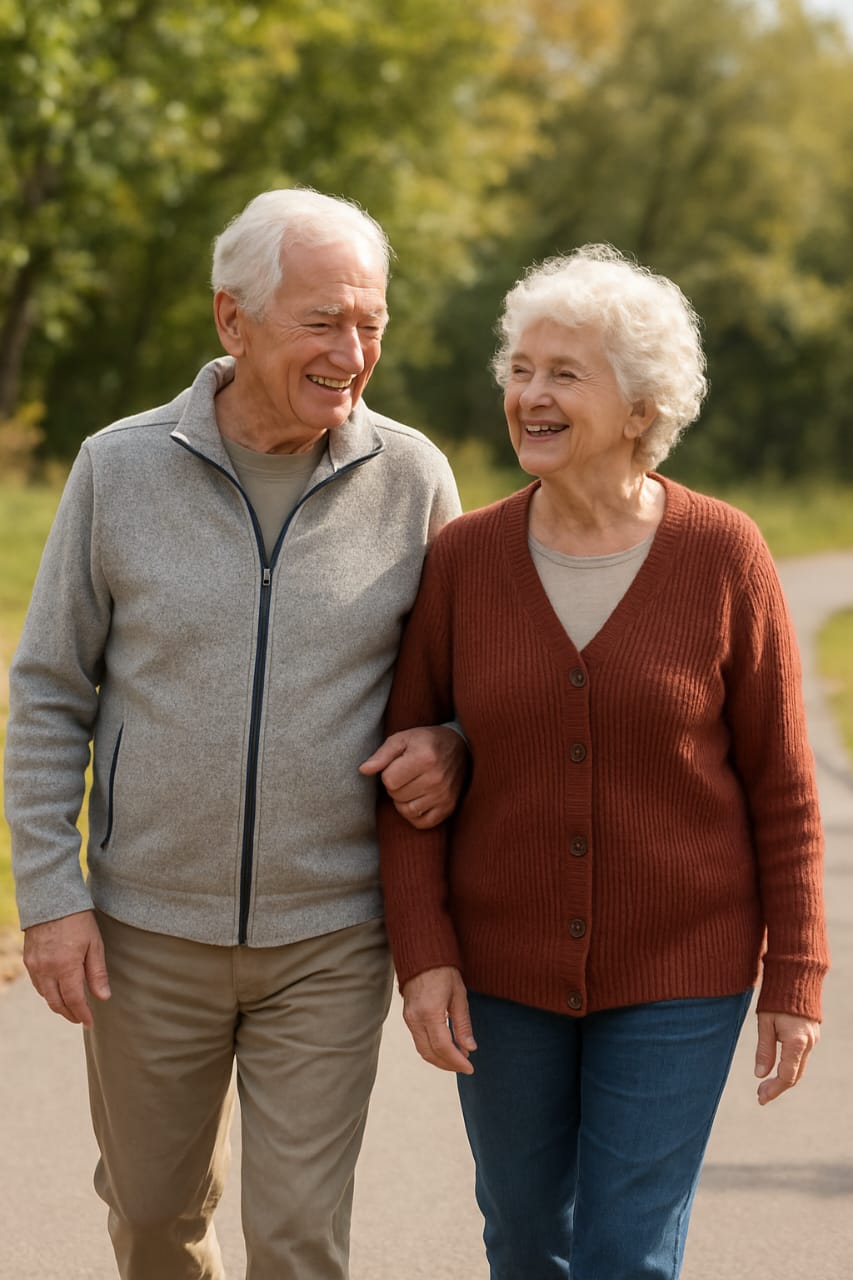
Walking is one of the best low-impact exercises that benefits the entire body. It helps improve heart health, boosts blood circulation, strengthens bones and muscles, and supports weight management. Regular walking also reduces stress, lifts mood, and improves energy levels.
it’s a simple way to stay active and healthy. Just 20–30 minutes of walking daily can make a big difference in overall fitness
6. Cycling
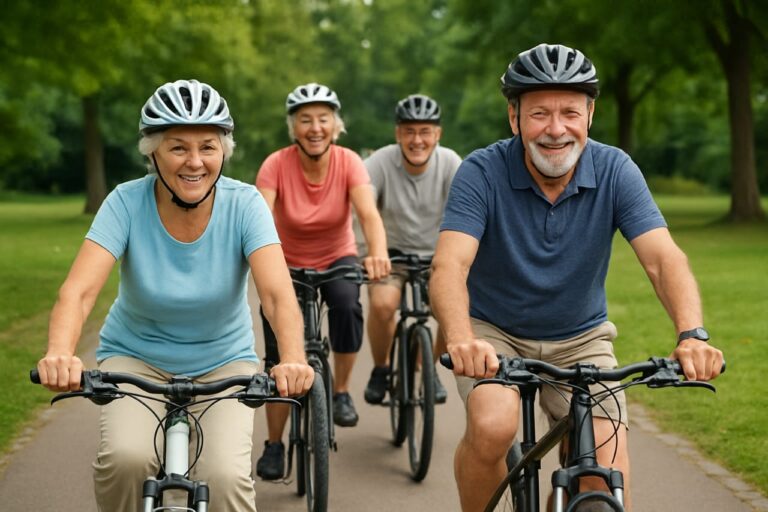
Cycling is a fun and effective exercise, it is a low-impact exercise that strengthens the legs, hips, and core muscles while improving heart health and lung capacity. It helps burn calories, supports weight management, and boosts stamina. Regular cycling also improves joint mobility and reduces the risk of lifestyle diseases such as diabetes and hypertension.
7. Chair aerobics
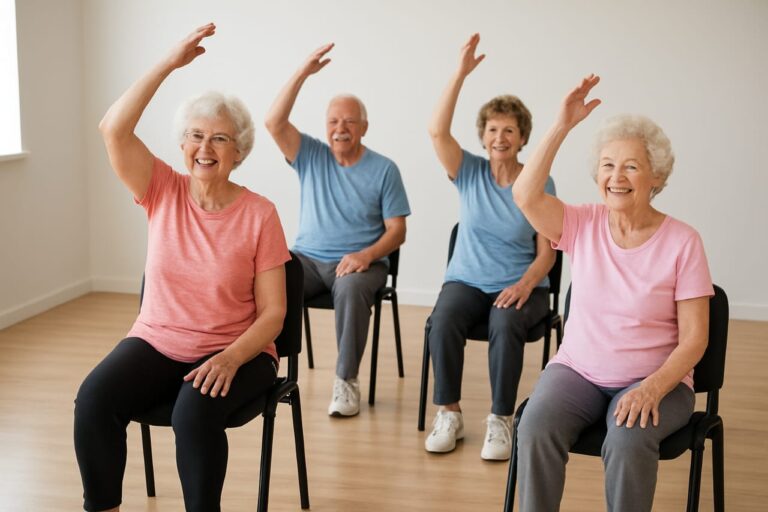
Chair aerobics is a safe, low-impact workout that improves cardiovascular health, flexibility, and muscle strength without putting too much strain on the joints. It helps in burning calories, boosting energy, and improving blood circulation, especially for people who spend long hours sitting. For seniors, it enhances mobility, balance, and independence, while also reducing the risk of falls.
How to do
Seated Marching – Sit straight with feet flat. Lift one knee up, then the other, as if marching.
Arm Raises – While seated, raise both arms overhead, then bring them down. Repeat 10–15 times.
Leg Extensions – Straighten one leg out in front, hold for a few seconds, then bring it back down. Switch legs.
Side Twists – Sit tall, place hands on your chest, and slowly twist your upper body to the right, then to the left.
Arm Circles – Extend arms to the sides and make small circles forward, then backward.
Seated Jacks – Open your arms and legs wide at the same time, then bring them back together (like jumping jacks but while sitting).
8. Glute bridges
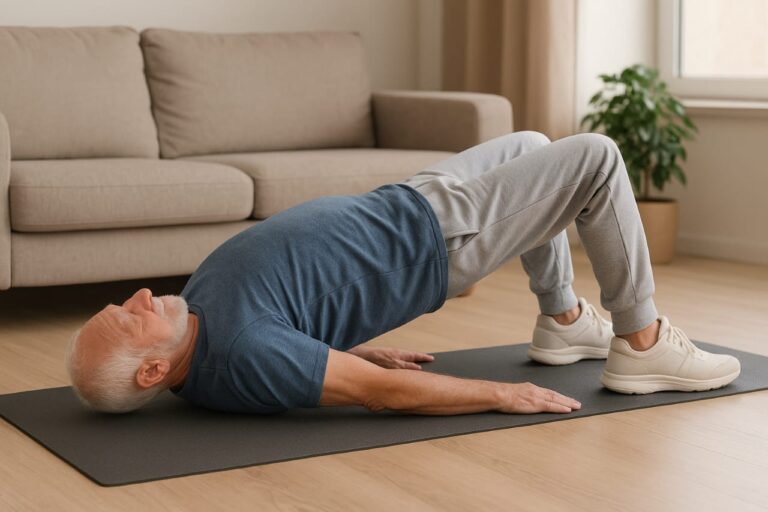
Glute bridges are an excellent exercise for strengthening the glutes, hamstrings, and lower back muscles. They also improve hip mobility, core stability, and posture. This exercise helps reduce lower back pain, supports better balance, and is especially useful for people who sit for long periods.
How to do
Lie on your back on a mat with your knees bent and feet flat on the floor, hip-width apart.
Place your arms by your sides with palms facing down.
Tighten your core and press your heels into the floor.
Slowly lift your hips upward until your body forms a straight line from shoulders to knees.
Hold the position for 2–3 seconds, squeezing your glutes at the top.
Lower your hips back down slowly to the starting position.
Repeat 10–15 times for 2–3 sets.
The last line
You can do all the exercises mentioned above comfortably.
You can do all these exercises in the morning as well as in the evening.